

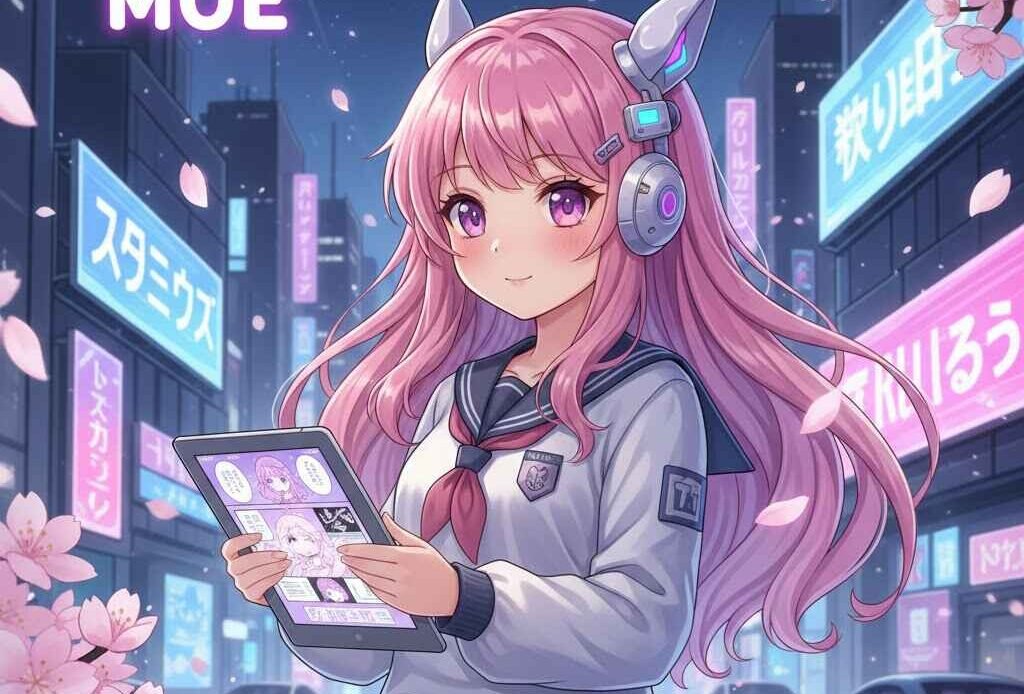
There are so many most searched genres in the huge world of anime and manga but none appeals to fans heart and soul quite like Doujen Moe. This buzzword of the moment — and more than just a passing fascination in digital communities — has legs. S Fanworks are, obviously, not just emblematic of a growing consumer-created participatory culture; they also mark a seismic shift in the way fans enga ge with their favorite narratives (vassallo 2010), turning consumers into creators who build and extend emotional worlds beyond the contours of beloved characters.
This is a movement that fuses the creativity of grassroots with the emotion of working from the heart, where artists can express their passion in ways that are deeply personal. For viewers, it provides a real emotional connection that is often beyond what they would find in mainstream productions. In this guide to Doujin Moe, we will introduce you to just how rich the world of dom is, trace its history and growth so that you know why it’s impacting your favorite new anime girls up until today, and discuss just where this creative revolution in digital storytelling is turning.
What is Doujen Moe?
Doujen Moe is is basically an amalgamation of two very Japanese ideas. P.S. -“Doujin” (or Doujen)-the original definition of was self-published work.including independent comics, fan fiction, or any type of hobbyist/original work not published for profit.during the 70s-80s “doujin” were women doing things outside the major commercial industry and sideline stores that dealt with them.Not so much now but this practice is a tradition that should be acknowledged. “Moe,” on the other hand, refers to the sensation of fondness and/or affection aroused when confronted by something cute and endearing or emotionally touching, especially from a character that doesn’t usually provoke such emotions.
When these two concepts collide they intersect in a rare field. Doujen Moe isn’t just fan art, it’s a kind of fan creation that is filled with emotional depth and a deep personal connection to the characters. Unlike polished products from large studios, it celebrates the imperfect, the personal and deeply felt. It’s about expressing a slice-of-life instant, a private interaction or an unspoken emotion that adds new layers to an existing character or story. Artists aren’t just redrawing characters — they are broadening their emotional universe.
Also Read More: Vaelianne Frostmere
Origins and Development of a Cultural Movement
The story of Doujen Moe is one that started in the raucous, passionate fan scenes of late 1980s Japan. Well before the internet forged international connections, ardent fans were self-publishing their own manga and drawings — so-called doujinshi. The works were sold at small events such as Comiket and underground outlets.
These early creators weren’t attempting to compete with professional studios. They weren’t looking to tell big, sweeping stories; instead they were finding narratives and emotional sides that traditional media generally ignored. They would ask, ’What if this character had a different history? or “What’s it like when these two characters aren’t fighting bad guys?” This desire to rummage around the murky corners of a character’s life was the seed for Doujen Moe’s current emotional rawness.
When the internet came around it was what made this local thing become a worldwide trend. A kind of digital relay was established, turning digital platforms into virtual galleries through which a creator in Tokyo could show work immediately to an audience in New York and São Paulo. The moe aesthetic, with its focus on personal connection and adorable character quirks, found fans all across the world craving more intimate, emotional stories. What had once been a niche subculture became an sprawling, interconnected creative (and avid consuming) community.
The Defining Artistic Characteristics
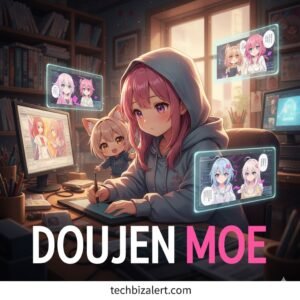
Go into any virtual workspace of a Doujen Moe artist, and you’ll see that it’s less about technical perfection and more about chances to capture real feeling. This is exemplified in the unique visual style associated with this genre.
- Soft Color Palettes: Paintings will often take on soft, warmer colors. It’s the pastels and soft colours and muted tones that feel like a hug from our memories. This decision avoids using the typical bright and vivid colors that can be found on action anime.
- Facial Expressions: Doujen Moe characters tend to have large facial expressions, especially in the eyes. These big, expressive pair of eyes are like windows into the wearer’s souls and make it easy for their audience to share or relate to their emotions of joy, sadness, or vulnerability.
- Mood-Setting Backdrops: Backgrounds aren’t just the setting – they’re part of the story. A messy but homey bedroom might expose a character’s personality, while a peaceful park at sunset could suggest their internal state of tranquillity or an instance of deep thought. Even the colors are selected to express the mood of the story.
- Slice-of-Life: Doujen Moe doesn’t concentrate on fights to the death or intricate plot developments. Rather, it locates depth in the quotidian. A character fixing breakfast, trading a joke with a friend or merely watching rain fall takes on momentous narrative significance. These little, relatable moments ring true and are very human.
How Doujen Moe Created a Global Community
One of the most impressive things about Doujin Moe is its function to help create truly world-spanning, team-up community. Digital art platforms and social media have erased geographic boundaries, with an artist in Brazil inspiring a practitioner in South Korea, who might inspire somebody in Germany.
This is a community that is more than just sharing completed works of art. It is a lively community of process sharing, technique discussions and collaborative projects. Artists livestream their creative sessions, run tutorials and pass judgement on each others’ work. It’s like a global art class, where everyone is at the same time teacher and student.
Fan cons have also shifted and embraced this movement. Thousands of independent creators now man heavy “artist alleys” at film shows, which once were dominated by official merchandise vendors in convention halls. These are physical gatherings where strangers you’ve met on the Internet become new friends and potential collaborators.
This cross-pollination of Doujen Moe has fueled an aesthetic movement though, thanks in no small part to the anguraism inherent in the format, artists from different Japanese (and international) cultural background have added their own distinct cultural reinterpretation in kind, as can be seem form these variations that are both recognizably familiar and refreshingly new.
Impact and importance of the movement
Doujen Moe’s impact isn’t confined to a small pocket of the fan community. It’s transforming how we imagine creativity, fandom and even intellectual property.
Perhaps its most radical feature is how it collapses the distinction between creator and consumer. Despite disaggregation, we still imagine the clear line of separation in traditional media between professional creation and audience consumption. Doujen Moe subverts this dynamic by asking fans to take an active role.
It is a path that starts with some “what if” musings, turns into a sketch and ends up as something shared online. Very often, that community fandom rises above the level of mere consumption to something far greater: activism, even, where the feedback and goodwill returned from a like or comment or share can help fans feel empowered and connected with how their source material is made.
The mainstream studios are beginning to pay attention, too. It’s not uncommon for Doujen Moe trendsb– light novels finding themes or settings that started in the doujin moe community and exporting to official works, direct translations of existing characters, even stories. It is an example of how fanwank art can be a beneficial and shaping force on the landscape of an entire cultural industry.
Problematization and critique in an increasing culture
Just like any growing cultural trend, Doujen Moe is not without its challenges and criticisms. One of the issues is authenticity; who owns the creativity. When does fan art inspired by a work that already exists become something else altogether? How can we achieve a balance in the community between respecting the original creator and allowing for artistic freedom to interpret or re-interpret their worlds? These are the very issues that continue to be at the core of our debate over copyright in the digital world.
Another challenge is commercialization. Now that Doujen Moe has broken into the mainstream, however, it is possible for commercial influences to take over the movement -beside its pure and community-oriented aspect (4). Many fan artists hawk their wares at conventions or sell them online, which can make the distinction between a hobby and a business a murky one. And the community is constantly walking that moral tightrope between loving homage and profiting off someone else’s creativity, with most creators stressing reverent adulation for the source material.
The Future of Doujen Moe
Despite this obstacles, Doujen Moe’s future looks very promising. People who have come up with the internet in the palm of their hand, born and raised on remix culture and creative collaboration, are inherently attracted to this format. The barriers of entry always continue to be eroded by technology, and I think digital art will be accessed far more easily with user interfaces making it even easier every passing year.
We continue to be in an era of new platforms for sharing and monetizing creative work, so there’s more innovation on the way. The movement could find itself in new mediums that bring together animation, interactive media — and even virtual reality. But however it evolves, if the soul stays true to its roots Doujen Moe is a love letter to characters and to stories that make us who we are; Bernginga will be satisfied.
Celebrating a Creative Revolution
Doujen Moe is so much more than just a fan art craze. It’s a sincere dance in celebration of passion, emotion and togetherness. It’s also an example of the fact that creativity is not the sole province of professionals but something innate to all human beings. In a time when so much digital content can seem mass-produced and impersonal, Doujen Moe is representative of something authentic. It’s art with a labor of love, and made by fans for fans in the name of good old ordinary affection for stories that mean something to people. Whether you’re a creator or a consumer of it, the metamorphosing fandom is an invitation to us all: that genuine connection will always sit at the root of truly great art.
Frequently Asked Questions (FAQs)
English meaning of “Doujen Moe”?
Raibu# General’Whaddaya mean I can\’t sing? #36The doujinmoe or simply, theCombining doujin – self published fanmade works and moe- a feeling of strong affection for characters. It’s the term to define a genre of fan creations which are emotionally-driven and often depict characters in earnest, typically slice-of-life settings.
What makes Doujen Moe stand out from traditional doujinshi or anime art?
Though both categories feature fan-created art, what sets Doujen Moe apart is its emphasis on feelings, emotional intimacy and tenderness versus storyline or activity. The art style frequently employs a more subdued palette and exaggerated features for emotion. Unlike anime in the market, it is creative before being commercial.
Doujin Moe, is it just anime and manga?
Doujen mofgfgoee was born out of the anime and manga fandom, but these are transferrable ideas into any faux-wora world. At its heart is in-depth exploration of characters on an emotional level, whether they come from video games, movies, books or anywhere else.
Why Doujen Moe is so hot at the moment
In this sense, what makes it popular is its being genuine and the community feeling. In a digital age, we are all #thirsty for human connection and Doujen Moe is an opportunity to connect over desire, passion and emotional honesty. Thanks to social media, they are now likely easier than ever for people all around the world to create and distribute.
Who is allowed to produce Doujen Moe works?
Absolutely. It has a reputation as an inclusive and welcoming community. It’s about kind of a fervor and emotional expression, not perfection technically. It is open to anyone with a favourite character and also an interest in creating.
Read more Topics on techbizalert.com
